


Rescue Dash - time management
4.62.03K Reviews
App Specs
- Version
- 2.45.0
- Updated On
- License
- Free
- Downloads
- 1,000,000+
- Developer
- Matryoshka
- Categories
- Arcade
- Platform
- Android
Screenshots





 Analysis by AppCompare
When I want a mobile game that asks for quick decisions rather than a long stretch of concentration, I look for something I can pick up, understand, and play in short bursts. Rescue Dash is built around that kind of attention: you take charge of rescue work in a city, juggle urgent jobs, and try to keep events moving before the clock runs out. Its appeal is less about quiet puzzle-solving and more about deciding what deserves your attention next.
That focus makes it a good fit for a spare moment, but it also sets expectations. The game is a time-management arcade title, not a realistic emergency simulator or a slow, open-ended strategy game. I find the central tension enjoyable when I’m in the mood to stay alert, though it can feel demanding if I simply want something relaxing in the background.
How the rescue loop feels in everyday play
The dispatcher role gives each stage a clear purpose: identify what needs attention, make choices under time pressure, and try to finish the operation efficiently. That basic loop is easy to grasp, but the pressure comes from having several demands compete for your focus. It is the sort of game where a plan helps, yet you still have to adjust when the level gets busier.
A useful habit is to pause mentally before tapping and scan the whole situation. In a game built around overlapping tasks, reacting to the most noticeable alert is not always the same as making the best move. I try to look for dependencies and bottlenecks first, then commit to a sequence rather than repeatedly changing direction. That approach makes the action feel more deliberate and can help prevent frantic, wasteful decisions.
For an everyday example, I can imagine playing a stage while waiting for a friend who is running late. A level gives that brief window a defined challenge, and the countdown makes it feel more engaging than endlessly scrolling. The trade-off is that this is not ideal if I need to stop at any second: time pressure is central to the experience, so I would choose a calmer game when I expect interruptions or want to listen to something without concentrating.
Where it sits among arcade and time-management games
Many arcade games are built around reflexes, repetition, or chasing a high score. This one leans more on organizing a response to changing demands. Compared with a traditional match puzzle, it asks for less pattern-clearing and more attention to order and timing; compared with a broad management sim, it keeps the focus on immediate decisions rather than long-term planning or building an elaborate operation.
That middle ground is its strongest selling point, but also a limit. If you enjoy feeling busy and making rapid choices, the rescue theme gives the pressure a clear context. If you prefer a game that lets you experiment at your own pace, or one where progress comes from constructing a persistent world, this may not scratch that itch. I would treat it as a focused arcade diversion rather than a substitute for a deep simulation.
Worth Reading Before You Choose

EA SPORTS FC Mobile 26 Is a Bigger Football Game, but It Takes Time

Flipboard Shows What News Apps Must Do Beyond the Feed

Switching to Android Auto Means Rethinking Your Driving Routine

Google Calendar Makes a Crowded Week Easier to Manage

Ludo King Makes the Most of the Minutes Between Plans

Baby Panda World Brings Quick Play to Modern Phones, but Its Game Library Feels Busy
One practical way to approach it is to use early attempts to learn the rhythm instead of treating every run as a perfect-score test. Notice which demands tend to distract you and where you lose time, then adjust your order on the next attempt. That small review between tries is more useful than tapping faster without a plan, especially once the levels begin asking more of your attention.
What the current release tells players
Matryoshka’s game first arrived on April 20, 2020, and its current version is 2.43.3. That gives the title a meaningful history, but a version number by itself does not tell me what changed in each release. I would not assume a particular new mission, feature, or balance adjustment based on the number alone. What I can say is that the game remains available as an established arcade option rather than a newly launched experiment.
For someone deciding whether to install it now, that distinction matters. A long-running version line can be reassuring if you want a game that has been around beyond its launch period, but it is not a promise that every individual player will prefer its pacing or presentation. I would judge it by the actual rescue-and-decision loop and by whether that style suits the short sessions I want.
Who is likely to enjoy the pressure
I would recommend it to players who like clear objectives, brisk rounds, and the feeling that prioritizing well matters. It can also work for someone exploring time-management games for the first time, since the dispatcher concept gives the action an understandable frame. The gentle entry into the controls helps, while the rising demands give experienced players something to respond to as they progress.
I would be more cautious if you dislike countdowns, prefer to play with little visual or mental activity, or want a story-led adventure where the main pleasure is exploring at your own pace. It is also not my first choice for a player looking for a realistic rescue-management tool; the point is arcade challenge, not practical emergency instruction. Knowing that before downloading can save you from expecting the wrong kind of experience.
Ever found yourself lost in the world of time management games and wondered if there's one that stands out from the rest? Well, let me introduce you to Rescue Dash. This game is a delightful mix of strategy, quick thinking, and a sprinkle of chaos. It's got all the elements to keep you hooked for hours on end.
First Impressions: What to Expect?
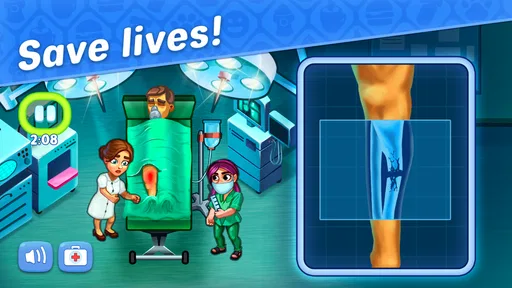
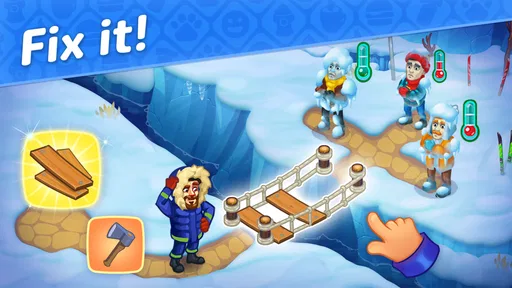
From the moment you launch Rescue Dash, you're greeted with vibrant graphics and a catchy soundtrack that sets the stage for the action-packed adventures ahead. The game is all about rescuing citizens and restoring order in a city hit by a series of unfortunate events. And let me tell you, it's as fun as it sounds!
You play as a dispatcher, and your main job is to manage rescue operations efficiently. Sounds simple, right? Well, think again. As you progress, the challenges get tougher, and you'll need to be on your toes to keep up with the increasing demands.
Gameplay Mechanics: A Balancing Act
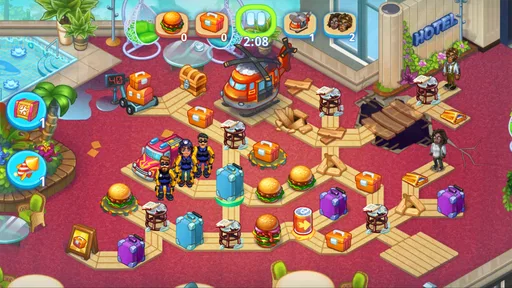
The core of the game is its time management mechanics. Each level presents you with different rescue missions, and your task is to complete them within a set timeframe. The clock is ticking, and every second counts. You’ll need to prioritize tasks, allocate resources effectively, and ensure everything runs smoothly. It's a hectic yet thrilling experience that really tests your multitasking skills.
The controls are intuitive, making it easy for both newcomers and seasoned players to dive right in. The learning curve is gentle, but as you progress, the complexity ramps up, keeping you engaged and challenged.
Graphics and Sound: A Feast for the Senses
The visual design of Rescue Dash is simply stunning. The bright colors and detailed environments make each level a joy to play. The developers have done a fantastic job of creating a world that feels alive and bustling with activity.
The sound design complements the visuals perfectly. From the emergency sirens to the hustle and bustle of the city, the audio experience is immersive and enhances the overall gameplay.
What Makes It Stand Out?
Now, you might be wondering, what sets this game apart from other time management games? Well, it's the combination of engaging storylines, diverse missions, and the ever-present element of surprise. Each level introduces new challenges and plot twists that keep you on your toes. You're not just managing time; you're part of an unfolding narrative that keeps you invested in the outcome.
The game also includes a variety of power-ups and upgrades. These can be strategically used to speed up tasks, handle emergencies more efficiently, and ultimately improve your performance. It adds a layer of strategy that makes the game even more addictive.
Progress, access, and practical expectations
The game is free to download, with optional in-app purchases priced from $0.99 to $99.99 per item. That wide range is worth noticing before you start: free access lets you try the core experience, but spending is a personal choice, not something I would treat as necessary to decide whether the gameplay suits me. I recommend checking purchase prompts carefully and setting a device-level spending limit if children will be playing.
Its Everyone age rating makes it broadly accessible, though the countdown pressure may still be frustrating for younger players who are sensitive to timed challenges. It has over one million installs and an average rating of 4.6 from around 45,000 ratings, with roughly 2,000 written reviews. Those figures suggest that many players have tried it, but popularity cannot tell you whether you will enjoy the pace; the best test is whether the dispatcher-style task juggling feels satisfying to you.
The current version is 2.43.3, and the game runs on Android 7.0 or later. If you are installing it on an older device, checking the system requirement first is a simple way to avoid a compatibility surprise. On a device that meets it, I would still make sure there is enough free space for the install and any routine app data, rather than starting a download just as I am about to head out.
Small choices that make sessions smoother
I find it helps to treat a level as a short planning exercise, not as a test of how quickly I can tap. Before committing to an action, I scan the visible objectives and decide what can block another task if left unattended. That is a useful distinction in rescue games: the most dramatic incident can draw the eye, while a less obvious prerequisite may be what actually determines whether the whole sequence flows.
When a run goes poorly, I try to identify one specific cause rather than changing everything at once. Was I slow to start, did I keep switching attention, or did I spend a helpful resource before it mattered? Testing one adjustment on a replay makes the result easier to understand. It also keeps the game from turning into a string of rushed retries, which is where time-management play can become tiring instead of rewarding.
Power-ups and upgrades give you another decision to weigh. I would save them for a point where they solve a real bottleneck, rather than using them automatically at the first sign of pressure. The exact best moment depends on the situation, but thinking of these tools as ways to recover a disrupted plan—not as a replacement for having one—makes the strategic layer more meaningful.
What I would watch for as a returning player
For existing players, the version number is a useful marker of the current release, not a changelog. I would look for clear release notes in the app’s store page or in-game notices before assuming that a familiar stage, control, or upgrade has changed. That is especially sensible if you are returning after a break and want to know whether your old approach still fits the current build.
What I would watch over time is whether the challenge remains fair as demands rise and whether the available tools continue to feel like choices rather than requirements. Those are the details that matter most to a time-management game: a tougher stage can be satisfying when careful prioritizing helps, but less enjoyable if the player feels pushed into spending or repeating without learning. I would keep my expectations grounded and judge each session by how well its decisions reward attention.
Final Thoughts: A Must-Try for Strategy Enthusiasts
In conclusion, Rescue Dash is a brilliant time management game that combines strategy, excitement, and a dash of chaos. It's perfect for anyone who loves a good challenge and enjoys managing multiple tasks at once. The game offers hours of entertainment and is a testament to how engaging and fun time management games can be.
Whether you're a fan of the genre or new to it, Rescue Dash is definitely worth checking out. So why not give it a try? You might just find yourself hooked on the thrill of the rescue!
Pros
- Engaging time management gameplay.
- Colorful and vibrant graphics.
- Intuitive controls for easy play.
- Varied levels with increasing challenges.
- Offline mode available for on-the-go fun.
Cons
- In-app purchases can be costly.
- Occasional ads disrupt play.
- Limited free content available.
- Some levels feel repetitive.
- Requires frequent updates for new content.
FAQs for Rescue Dash - time management
What is the main objective of Rescue Dash - Time Management?
Rescue Dash is a time management game where players take on the role of a skilled rescue worker. The main objective is to complete various rescue missions efficiently, managing your resources and time wisely to save people and animals in distress. Each level presents different challenges, requiring strategic planning and quick decision-making.
Is Rescue Dash suitable for all ages?
Rescue Dash is designed to be family-friendly, making it suitable for players of all ages. The game features colorful graphics and simple controls, appealing to both younger audiences and adults. However, younger players might need some guidance to understand the strategic elements involved in resource management and mission planning.
Does Rescue Dash require an internet connection to play?
Rescue Dash can be played offline, which is perfect for on-the-go gaming without worrying about losing connectivity. However, an internet connection is necessary for certain features, such as accessing updates, participating in special events, or making in-app purchases. It's ideal to connect occasionally to enjoy these additional elements.
Are there in-app purchases in Rescue Dash?
Yes, Rescue Dash includes in-app purchases. Players can buy additional resources, such as coins or boosters, to help them progress faster through challenging levels. While these purchases can enhance gameplay, they are completely optional and not required to complete the game. Thoughtful planning and skillful play can achieve similar results without additional purchases.
How does the difficulty level progress in Rescue Dash?
The difficulty in Rescue Dash increases gradually as players advance through the levels. Early stages are designed to familiarize you with the game's mechanics, while later levels introduce more complex scenarios and tighter time constraints. This progression keeps the game engaging and challenging, requiring players to refine their strategies and improve their time management skills.


